
When to Plant Vegetables and Herbs by Zone
When to plant a vegetable is set by your last spring frost, not the calendar month. Hardy crops such as peas, spinach and lettuce go in weeks before it, tender crops such as tomatoes, peppers and squash go out after it, and the slow ones are started indoors first. The chart below gives those offsets for all 24 crops on this site (10 hardy, 10 tender, 13 worth starting indoors). Add them to your zone's last frost date, or open a crop for the dates already worked out for every zone from 3a to 13b.
Planting chart: weeks from your last frost
| Crop | Frost tolerance | Start indoors | Plant outdoors | Days to harvest | Family |
|---|---|---|---|---|---|
| Basil | tender | 6 weeks before | transplant 2 weeks after; sow outdoors 2 weeks after | 60 | Mint |
| Beans (bush) | tender | no | sow outdoors 1 week after | 55 | Pea and bean |
| Beets | hardy | no | sow outdoors 3 weeks before | 55 | Beet |
| Broccoli | half-hardy | 6 weeks before | transplant 2 weeks before | 65 | Cabbage |
| Carrots | hardy | no | sow outdoors 2 weeks before | 70 | Carrot |
| Cilantro | half-hardy | no | sow outdoors 2 weeks before | 45 | Carrot |
| Corn | tender | no | sow outdoors 1 week after | 75 | Grass |
| Cucumbers | tender | 3 weeks before | transplant 2 weeks after; sow outdoors 2 weeks after | 60 | Squash |
| Eggplant | tender | 8 weeks before | transplant 2 weeks after | 85 | Nightshade |
| Garlic | hardy | no | plant cloves in fall, at about the first frost | 240 | Onion |
| Kale | hardy | 6 weeks before | transplant 2 weeks before; sow outdoors 3 weeks before | 60 | Cabbage |
| Lettuce | hardy | 4 weeks before | transplant 2 weeks before; sow outdoors 4 weeks before | 50 | Daisy |
| Onions | hardy | 10 weeks before | transplant 2 weeks before | 100 | Onion |
| Parsley | hardy | 8 weeks before | transplant 2 weeks before | 75 | Carrot |
| Peas | hardy | no | sow outdoors 5 weeks before | 60 | Pea and bean |
| Peppers | tender | 8 weeks before | transplant 2 weeks after | 80 | Nightshade |
| Potatoes | half-hardy | no | sow outdoors 2 weeks before | 90 | Nightshade |
| Pumpkins | tender | 3 weeks before | transplant 2 weeks after; sow outdoors 2 weeks after | 100 | Squash |
| Radishes | hardy | no | sow outdoors 4 weeks before | 28 | Cabbage |
| Spinach | hardy | no | sow outdoors 5 weeks before | 45 | Beet |
| Squash (winter) | tender | 3 weeks before | transplant 2 weeks after; sow outdoors 2 weeks after | 95 | Squash |
| Sunflowers | half-hardy | no | sow outdoors 1 week after | 80 | Daisy |
| Tomatoes | tender | 7 weeks before | transplant 2 weeks after | 75 | Nightshade |
| Zucchini | tender | 3 weeks before | transplant 2 weeks after; sow outdoors 2 weeks after | 55 | Squash |
Days to harvest count from transplanting, or from sowing for crops sown in place. The offsets follow extension office guidance and are the same numbers that drive every crop and zone page here. Fall planting runs the other way, backward from the first frost: the fall planting calendar has those dates, and when to start seeds indoors turns the indoor column into dates for each zone.
Crops by plant family
Crops in the same family share pests and soil diseases, so they count as one crop when you plan where things go next year. The years out are how long each family should stay out of a bed; the crop rotation chart turns these groups into a three-bed and a four-bed plan.
| Family | Crops | Years out of a bed | Rotation group |
|---|---|---|---|
| Nightshade (Solanaceae) | tomatoes, peppers, eggplant, potatoes | 3 to 4 | Fruiting and summer crops |
| Squash (Cucurbitaceae) | cucumbers, zucchini, squash (winter), pumpkins | 2 to 3 | Fruiting and summer crops |
| Cabbage (Brassicaceae) | broccoli, kale, radishes | 3 to 4 | Leaves and brassicas |
| Pea and bean (Fabaceae) | beans (bush), peas | 2 to 3 | Legumes |
| Onion (Amaryllidaceae) | onions, garlic | 3 to 4 | Roots and alliums |
| Carrot (Apiaceae) | carrots, parsley, cilantro | 2 to 3 | Roots and alliums |
| Beet (Amaranthaceae) | beets, spinach | 2 to 3 | Roots and alliums |
| Daisy (Asteraceae) | lettuce, sunflowers | 2 | Leaves and brassicas |
| Grass (Poaceae) | corn | 1 to 2 | Fruiting and summer crops |
| Mint (Lamiaceae) | basil | 2 to 3 | Fruiting and summer crops |
All crop guides
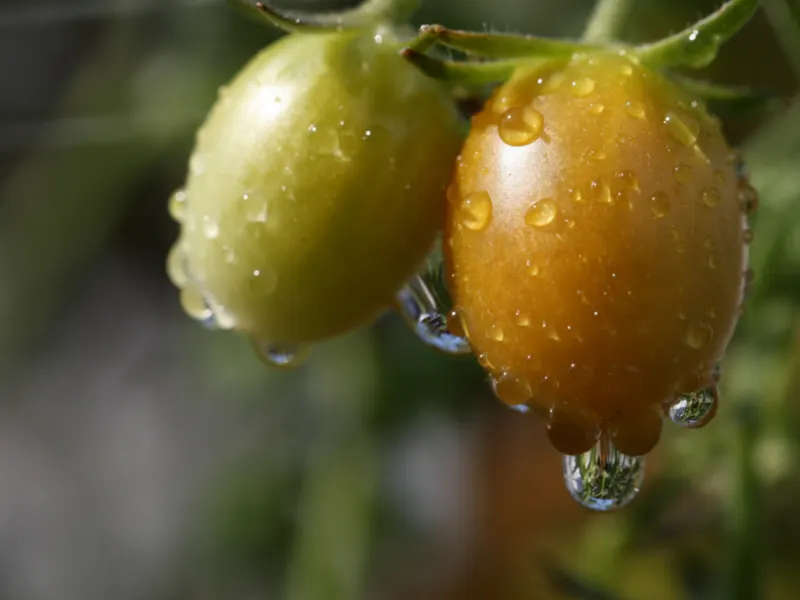
Tomatoes
veg · ~75 days
How to grow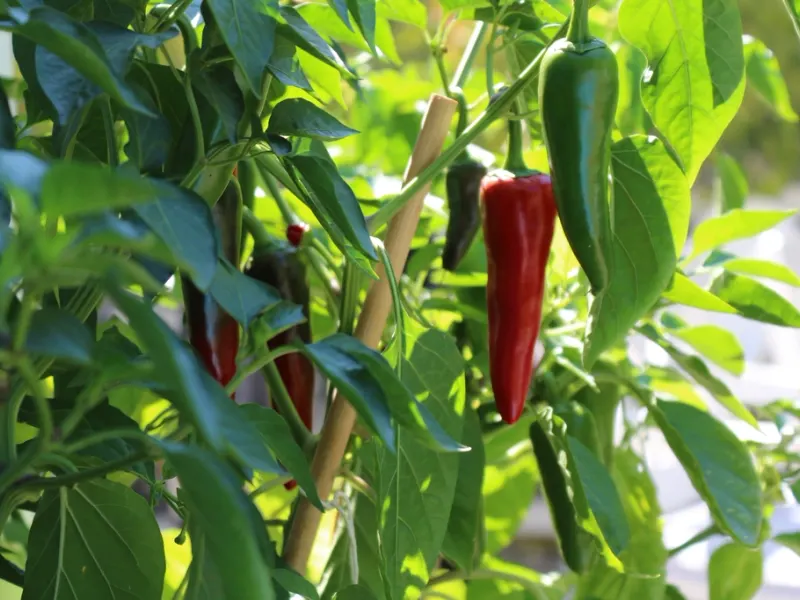
Peppers
veg · ~80 days
How to grow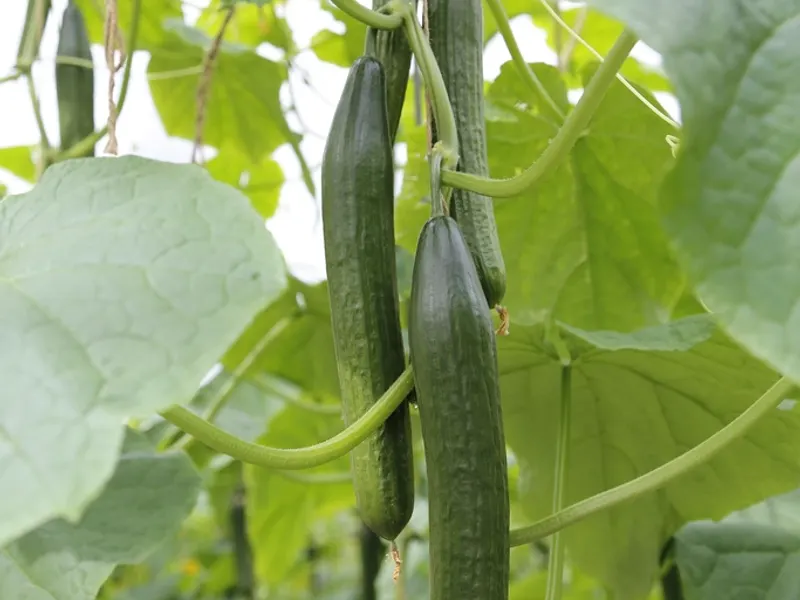
Cucumbers
veg · ~60 days
How to grow
Lettuce
veg · ~50 days
How to grow
Zucchini
veg · ~55 days
How to grow
Carrots
veg · ~70 days
How to grow
Beans (bush)
veg · ~55 days
How to grow
Peas
veg · ~60 days
How to grow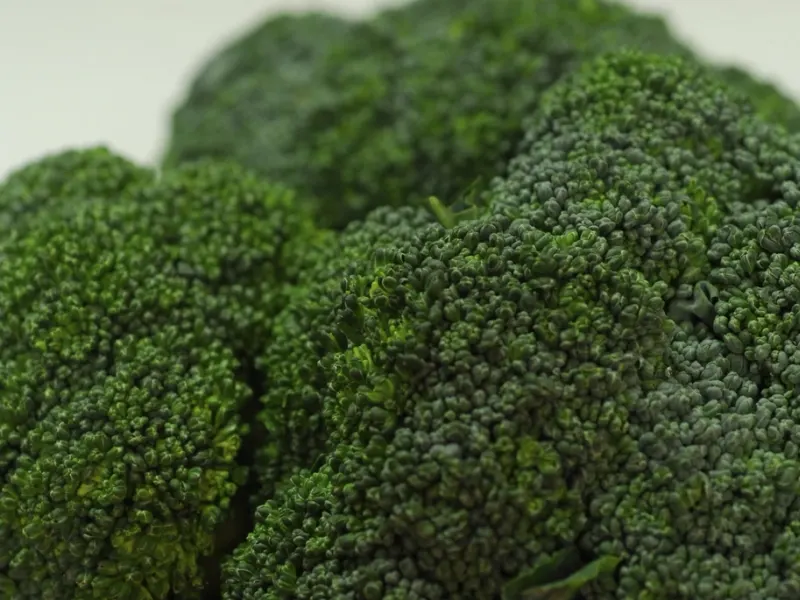
Broccoli
veg · ~65 days
How to grow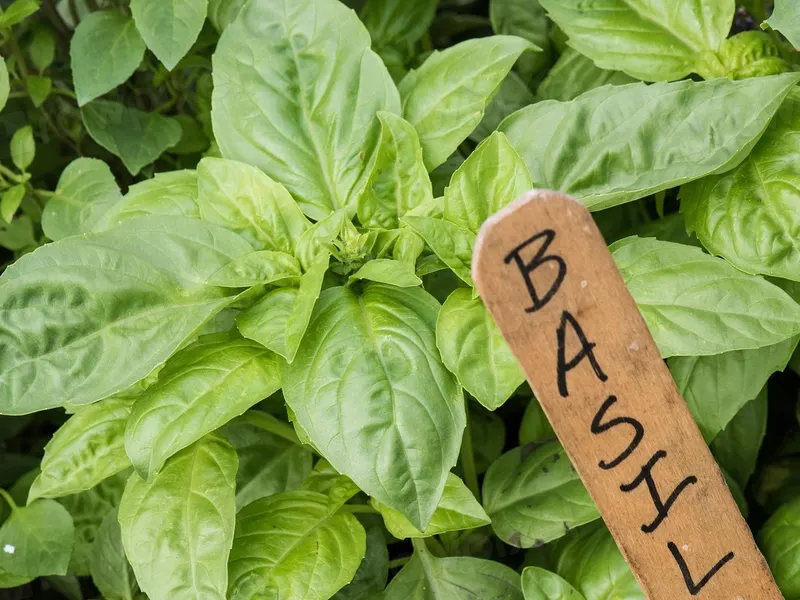
Spinach
veg · ~45 days
How to grow
Kale
veg · ~60 days
How to grow
Onions
veg · ~100 days
How to grow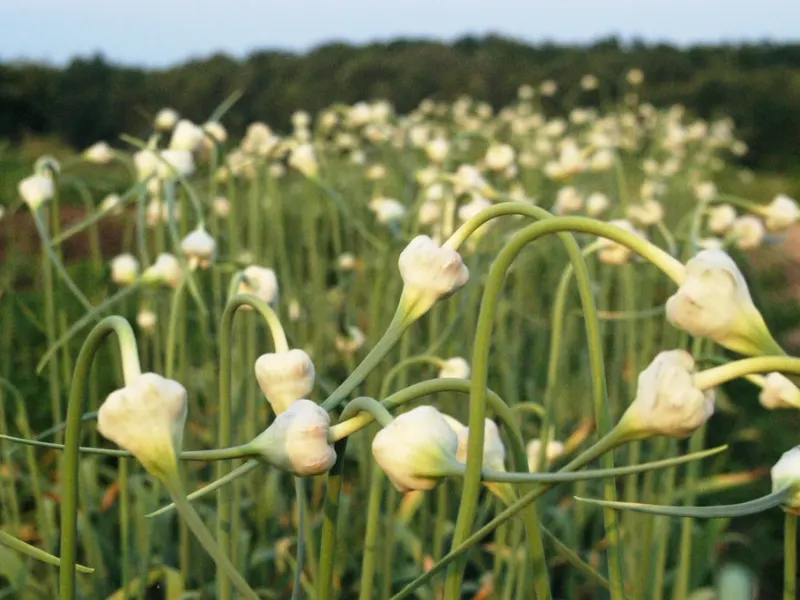
Garlic
veg · ~240 days
How to grow
Potatoes
veg · ~90 days
How to grow
Squash (winter)
veg · ~95 days
How to grow
Corn
veg · ~75 days
How to grow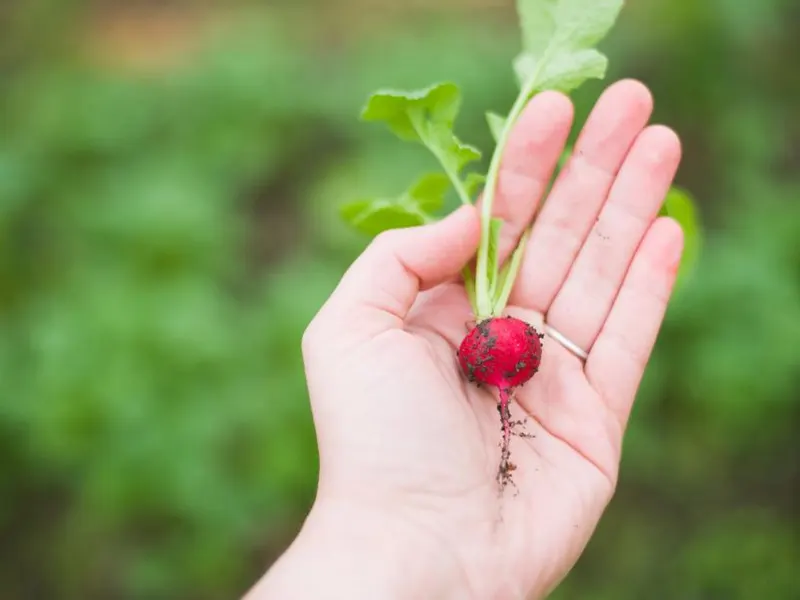
Radishes
veg · ~28 days
How to grow
Beets
veg · ~55 days
How to grow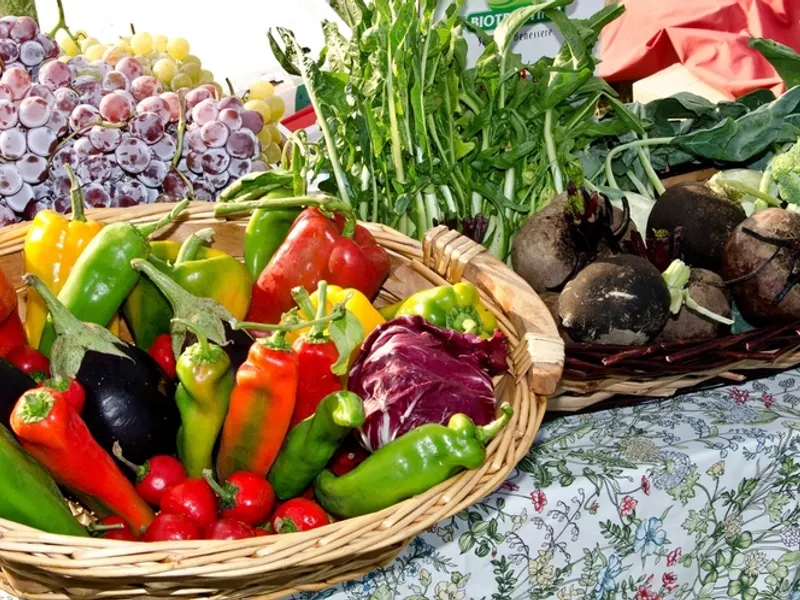
Eggplant
veg · ~85 days
How to grow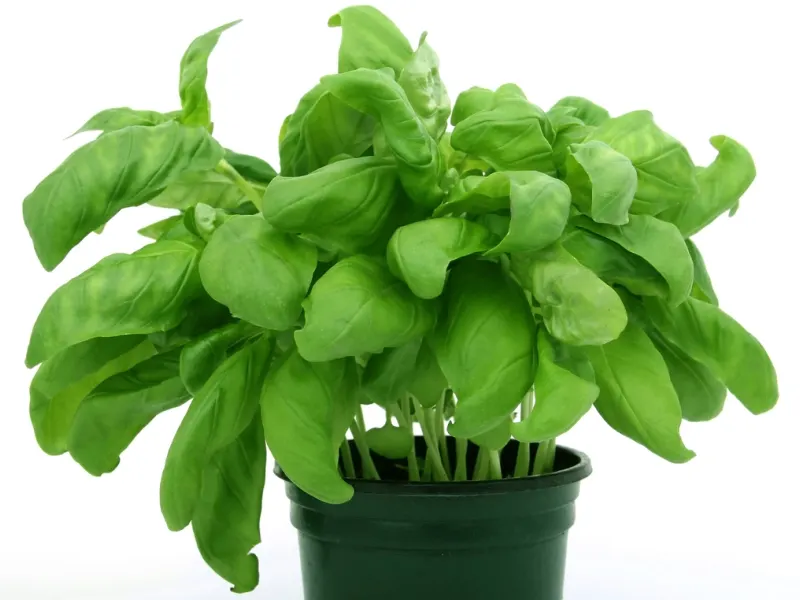
Basil
herb · ~60 days
How to grow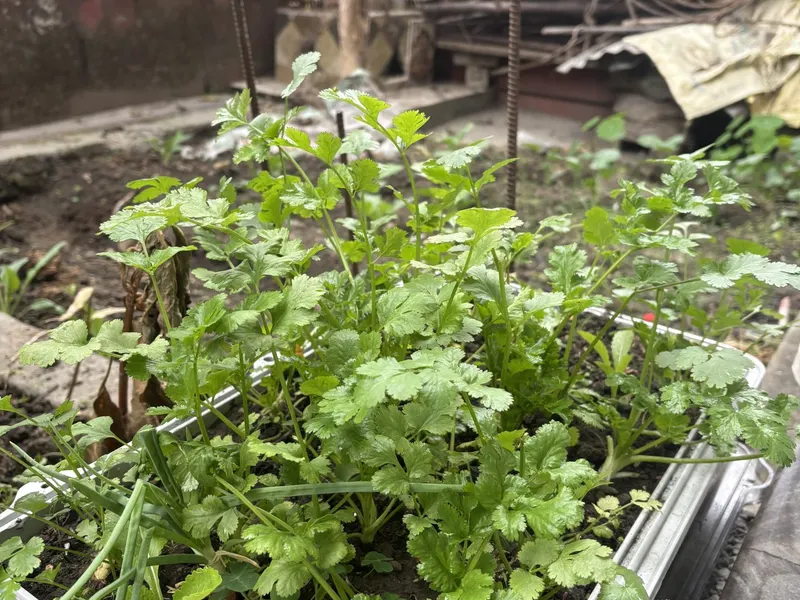
Cilantro
herb · ~45 days
How to grow
Parsley
herb · ~75 days
How to grow
Pumpkins
veg · ~100 days
How to grow
Sunflowers
flower · ~80 days
How to grow